
The Diagnosis Olympics :-)
Which carries more stigma: psychosis, bipolar disorder, or alcoholism? (Or is this just a Disney movie?)

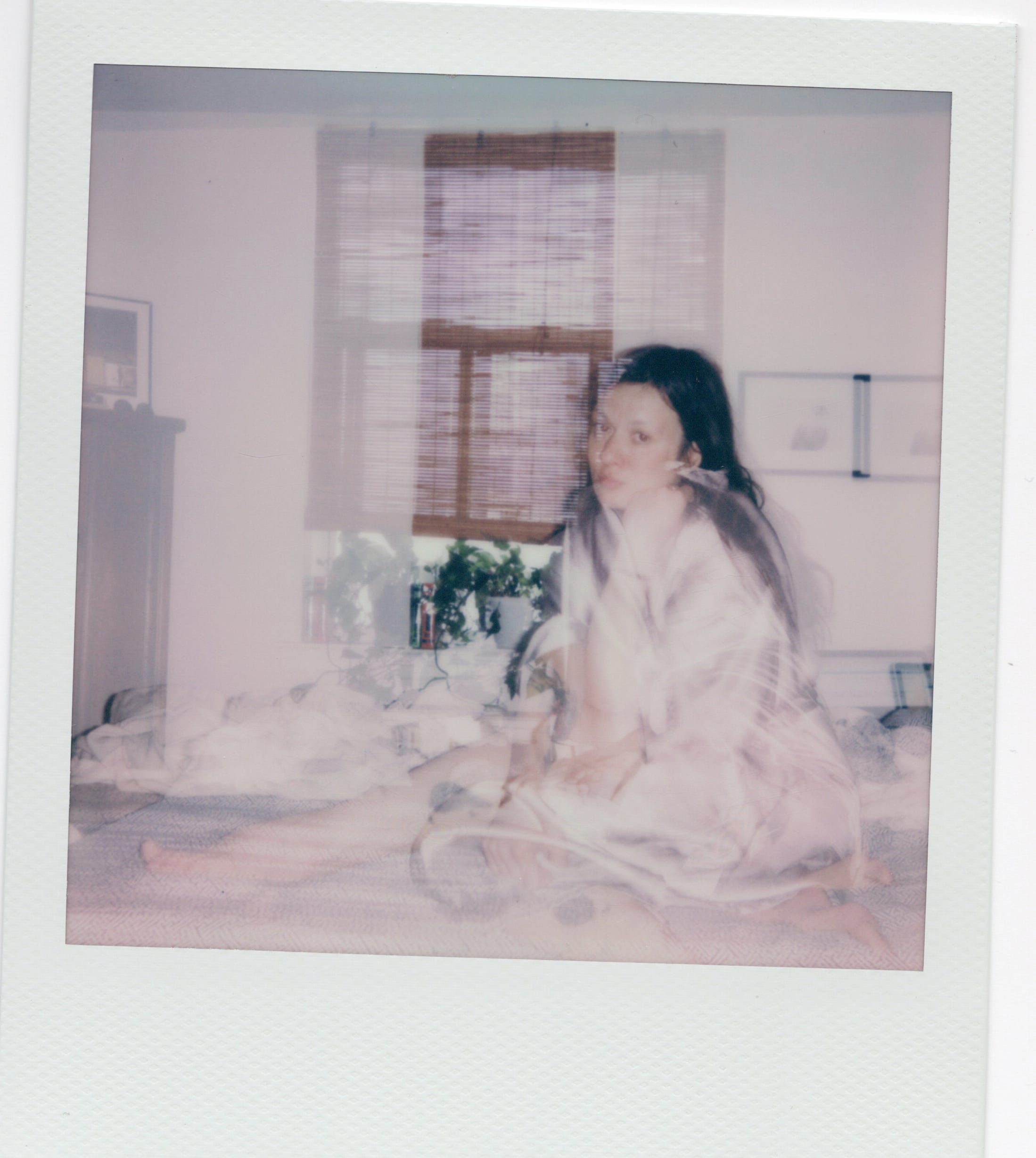
Something interesting is happening with Drunk Mom again, a book that will probably haunt me for the rest of my life in many different ways: it’s becoming something other than an addiction memoir.
People still talk about it – especially now with Unshaming being out where I write about the pressures of being a poster child for sobriety – and many of them offer their more incisive interpretations of it that I’m definitely more accepting of, these days. I keep hearing how it’s a book about motherhood and expectations and identity and, of course, mental health… Strangely, the addiction is no longer in the forefront, at least in how people have been talking about it.
And so I’m trying to remember the time I published it, but even more than that, I’m trying to remember my relapse after having a baby. That baby is now seventeen—a six-foot, 150-pound boy with a deep voice whose favourite prank is scooping me up and carrying me from room to room. I think about the years when I carried him instead, and I find myself asking the same question all over again: why did I drink? Why did I struggle so much in those first years of his life?
Yes, I’m an addict and yes, I admitted to being one before my son was born. I had spent four years in AA prior to his birth. But I’m re-evaluating my drinking after his birth through a different lens: the reality of postpartum mental illness—possibly postpartum mania, possibly even postpartum psychosis. We’ll get to that in a moment, but first a few caveats.
Firstly, I don’t want to excuse my relapse by attributing it to just hormones or brain chemistry. I’m not (yet?) convinced that’s what happened. And I worry that, in doing so, I’d be joining the ranks of people trying to explain addiction by everything except addiction itself. As if finding another explanation were somehow nobler – or at least more socially acceptable – than admitting to being “just” an addict.
Which stigma would win in a fight: psychosis or alcoholism?
The second caveat is that I drank again after that famous relapse. But also, the third caveat is that when my son was about 4 years old, I had a serious break with reality as well and self-medicated with other substances and shaved half my head and believed myself to be a celestial being. This lasted a short time but long enough. And, finally, I drank again during my separation and then a few times after that. Probably because by then I was definitely an addict and didn’t know how to cope with shit, but also, possibly because something else was flaring up. Or possibly life circumstances just made it impossible to cope so I reached for the only thing I knew could draw the curtains on those situations.
I realize you’re not my therapist but it’s important to know some of those things because I am not afraid to talk about them and because I enjoy performing self-autopsy in order to understand all that self-harm and pain I caused myself. And these days, I’m a happy, fulfilled, genuinely at-peace woman who is rigorous about her sobriety and mental health. I’ve no issue taking responsibility or accountability; I don’t care if you like me or if you’re clutching your pearls while reading this… but if you are a mother or have been around a mother who went through a particularly hard time, maybe this will illuminate some things for you. Actually, you don’t need to be a mother or even mother-adjacent, maybe this helps someone who is still trying to find a map to get through the maze of their own unpredictable brain.
But back to me. The first real hint that it could’ve been something other than “just” addiction came when Drunk Mom was being adapted into a film. As the producer-director-actress, Marcela Mar, shared not just the script but the research behind her interpretation of my story, I realized she wasn’t making a film about drinking. She was making a film about motherhood, the loss of identity, and postpartum... something. (I haven’t seen Imperfecta yet – it’s currently in distribution – but I’ve read an early version of the script.) Almost everything Marcela sent me centered on the postpartum experience.
It was Marcela’s interpretation that inspired some of my own investigation when I tried to remember how I felt and what I felt and what transpired back then. I wish I could ask my ex-partner but we don’t talk and I believe he believes I am “just” an alcoholic and he’d probably consider this investigation as me trying to find excuses, I don’t know. It’s much simpler to believe yourself to be one thing and to have everyone else around you just stick with the definition – at least we know what we get to hate, right? It is easier to hate than it is to forgive. And I say “hate” because I mean it:
Addiction is the ONLY disease in the world that makes others hate the person afflicted by it.
So maybe it is me not wanting to have addiction. Maybe I actually do want to be liked and not hated? Hmm. Hmmmmm.
Anyway, here’s how I remember it now: After my son was born, I felt extremely happy – euphoric almost – and… I had no idea what was going on. I saw me, I saw the baby, I saw little baby clothes, little baby hands, flowers, two rubber giraffes, I sang Polish lullabies, I wiped his cute little bum, I rocked him to sleep, I breastfed… it was all so unreal and beautiful. Magical! There were moments where I believed myself to be in a movie and a Disney movie of all things – I cannot explain this to you better but that was the conviction: I was in a movie and it was by Walt Disney and it was about a mom and a baby. This wasn’t quite believing that there were cameras on me, but there was a feeling of none of it being real and of watching myself from the outside, and me and my son being specifically chosen… for what, I don’t know. I remember reaching for alcohol because I believed I could amplify this incredible feeling. Also, I know I was frustrated with being left alone with the baby all the time and my drinking led to blackouts, which led to people around me having to pay attention and then, eventually, having to pick up half of my slack.
Maybe there isn’t a verdict to be reached and maybe the point isn’t to decide whether I was an alcoholic or manic or psychotic first, or whether one diagnosis gets to explain away another. But we all know that labels matter because they shape treatment and they shape how we understand ourselves and how others can understand us… Maybe? Maybe not because they, the labels, also become shortcuts for judgement. We fear psychosis, we moralize addiction, we misunderstand bipolar disorder, and then we wonder why people hide, lie, or wait until they’re drowning before asking for help. We reduce a person to the worst thing their brain has ever done. And then we condemn them for that.
Looking back, I don’t feel the need to acquit my younger self but I feel more compassion for the mistakes she made. And for the fact that she also needed help she didn’t know how to ask for. I will forever feel the guilt over her hurting the people I loved. But if there’s anything I’ve learned from revisiting that young woman, it’s that healing begins when curiosity replaces condemnation. Be rigorous about accountability, but be equally rigorous about kindness – to yourself and to other people whose minds have betrayed them. Shame and stigma has never cured addiction or treated psychosis, and judgement has never stabilized bipolar disorder. Compassion, however imperfectly practiced, gives us a fighting chance.
Thanks so much for sharing these reflections, Jowita. I have read and deeply admired your work for several years. I just finished the book "Original Sin : On the Genetics of Vice, the Problem of Blame, and the Future of Forgiveness" by Kathryn Harden and her research on epigenetics (and postpartum realities) has also given me so much to think about. Thank you again for your courage and your profoundly beautiful work.